
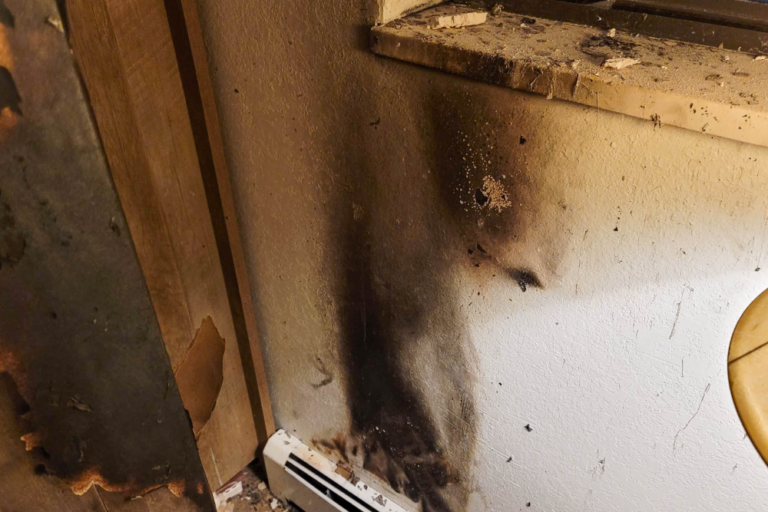
A fire can be one of the most devastating events a property owner experiences, and the effects of fire damage often continue long after the flames are extinguished. While the fire itself may only last a short time, fire damage can leave behind weakened structures, smoke contamination, soot buildup, and hidden moisture issues that worsen over time. Delaying restoration can lead to serious long-term consequences for both residential and commercial properties.
Understanding the lasting impact of fire damage is essential for protecting your property, your health, and your investment. The faster restoration begins, the better the chances of minimizing damage, restoring affected areas, and preventing costly future repairs.
Fire Damage Goes Beyond What You Can See
After a fire, visible destruction is only part of the problem. Smoke, soot, and moisture from firefighting efforts can spread throughout the property, affecting areas far beyond where the flames reached.
Soot residue is especially damaging because it is highly acidic. Over time, it can stain walls and ceilings, corrode metal surfaces, discolor appliances, and permanently damage flooring, furniture, and personal belongings. Materials that may appear salvageable immediately after a fire can continue deteriorating if they are not professionally cleaned and restored.
The longer fire damage is left untreated, the more difficult and expensive restoration often becomes.
Structural Damage Can Continue to Worsen
One of the most serious long-term effects of fire damage is structural weakening. Extreme heat can compromise wood framing, drywall, roofing materials, and support structures even if the damage is not immediately visible.
In many cases, water used to extinguish the fire creates an additional layer of damage. Moisture trapped inside walls, insulation, and flooring can lead to warping, wood rot, and mold growth over time.
Without proper inspection and restoration, hidden structural issues can create safety hazards and reduce the overall integrity of the property.
Smoke and Soot Can Impact Indoor Air Quality
Even after cleanup begins, smoke particles and soot residue can remain trapped in vents, insulation, furniture, carpets, and other porous materials. These contaminants can continue circulating through the property and negatively affect indoor air quality.
Lingering smoke exposure may contribute to respiratory irritation, allergies, headaches, and other health concerns. This can be especially problematic for children, older adults, and individuals with asthma or respiratory conditions.
Professional fire damage restoration helps remove harmful particles from the property while improving overall air quality through deep cleaning, odor removal, and specialized filtration methods.
Persistent Smoke Odors Can Become Permanent
One of the most frustrating long-term effects of fire damage is lingering smoke odor. Smoke can penetrate deeply into materials such as drywall, upholstery, wood, and insulation, making odors difficult to eliminate without professional equipment and treatment.
If restoration is delayed, smoke odors often become more deeply embedded into the property. Standard household cleaning methods are rarely enough to fully remove these odors, which is why professional deodorization is such an important part of the restoration process.
Quick action helps improve the chances of successfully removing smoke odors before they become permanent.
Delaying Restoration Can Increase Costs
Many property owners feel overwhelmed after a fire and may postpone restoration while dealing with insurance claims or other concerns. Unfortunately, waiting often allows the damage to spread further.
Soot becomes harder to clean over time, moisture can lead to mold growth, and damaged materials may continue deteriorating. What may have started as a manageable restoration project can quickly become far more extensive and expensive.
Timely fire damage restoration helps reduce secondary damage, preserve more of the property, and lower overall repair costs.
Why Professional Fire Damage Restoration Matters
Fire damage restoration is about far more than surface cleaning. Proper restoration requires specialized equipment, training, and experience to fully assess and address hidden damage throughout the property.
Professional restoration teams can identify structural concerns, remove hazardous soot residue, eliminate smoke odors, dry affected areas, and help restore the property safely and efficiently.
Working with a trusted restoration company like Florida Gulf Mitigation can help property owners navigate the restoration process with confidence. From assessing the full extent of the fire damage to creating a thorough cleanup and restoration plan, professional support can make a significant difference in preventing long-term issues and restoring your property as quickly as possible.
Every fire damage situation is different, which is why a customized restoration approach is essential for protecting both the property and the people inside it.
Final Thoughts
The effects of fire damage can continue long after the fire itself is extinguished. Structural deterioration, smoke contamination, lingering odors, and hidden moisture issues can all create lasting problems if not addressed quickly.
Acting fast after a fire helps minimize long-term damage, improve safety, and reduce restoration costs. Timely professional restoration not only helps protect your property—it also helps provide peace of mind during a difficult and stressful time.


Give us a follow!