

Living in Florida means enjoying sun-soaked beaches and warm weather year-round—but it also means staying prepared for the variety of storms that frequent the region. From hurricanes to sudden thunderstorms, the Gulf Coast is no stranger to severe weather. At Florida Gulf Mitigation, we’ve seen firsthand how storm damage can impact homes and businesses. Understanding the different types of storms common to Florida is the first step in protecting your property and being ready when the skies turn dark.
1. Hurricanes
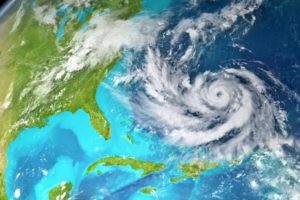
Hurricanes are perhaps the most feared storms in Florida, and for good reason. These large, powerful systems can bring catastrophic winds, torrential rains, and dangerous storm surges. The Atlantic hurricane season runs from June 1 to November 30, with August and September being the peak months.
Even a Category 1 hurricane can cause significant damage—ripping off shingles, knocking down trees, and flooding homes. Stronger storms, like Category 3 or higher, can lead to long-term displacement and expensive repairs. Preparing in advance by securing windows, clearing gutters, and having an evacuation plan can make a big difference in minimizing damage.
2. Tropical Storms
Tropical storms are similar to hurricanes but with lower wind speeds (39-73 mph). While they may not pack the same punch, they can still dump large amounts of rain and trigger flash floods. Because these storms often cover wide areas, they can cause widespread power outages and saturate the ground, making trees more likely to fall.
Don’t underestimate a tropical storm—they can be just as destructive, especially when a storm lingers over an area.
3. Thunderstorms and Lightning
Florida is known as the lightning capital of the U.S., and afternoon thunderstorms are a near-daily occurrence in the summer months. These storms can form quickly and may include high winds, hail, and intense rainfall. While they’re usually short-lived, they can still cause roof leaks, wind damage, and water intrusion—especially in older or improperly sealed homes.
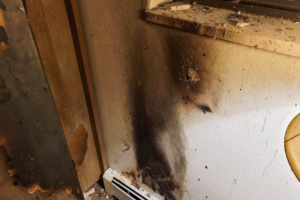
Lightning strikes can also be dangerous, sometimes igniting fires or damaging electrical systems. Installing surge protectors and grounding systems can help mitigate this risk.
4. Tornadoes
Tornadoes aren’t as common as other storms in Florida, but they do occur, often as a byproduct of hurricanes and strong thunderstorms. Florida’s tornadoes are usually weaker than those seen in the Midwest, but they can still tear off roofs, shatter windows, and uproot trees.
Coastal areas are particularly vulnerable, and the unpredictable nature of tornadoes makes them especially dangerous. Having a safe room or designated shelter area is critical.
The Real-World Impact
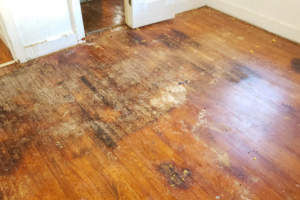
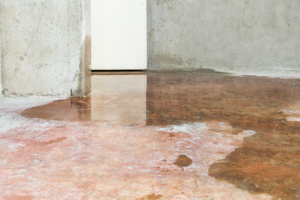
Storms can wreak havoc not only on the structure of your home but also on your peace of mind. Water intrusion can lead to mold, electrical damage, and weakened structural components if not addressed quickly. Roof damage may not be immediately visible but can worsen over time, leading to costly repairs down the line.
That’s why post-storm inspection is so important—even if you don’t see obvious damage. It’s often the hidden issues that become the most expensive.
What to Do After a Storm
If your home or property has been affected by a storm, it’s important to act fast. The first step is ensuring safety: avoid downed power lines, check for gas leaks, and document any visible damage with photos. Then, reach out to a reputable storm damage assessment and repair company.
Florida Gulf Mitigation specializes in helping homeowners and businesses recover after severe weather. From emergency tarping to water mitigation and full restoration services, we’re here to guide you through the process—quickly, professionally, and with care.
Don’t wait for minor damage to become a major problem. Contact Florida Gulf Mitigation as soon as possible after a storm. Our experienced team is ready to help you get back on your feet.
Final Thoughts
Storms are a part of life on Florida’s Gulf Coast, but preparation and quick action can reduce their impact. By understanding the different types of storms and knowing who to call when damage occurs, you can protect your property—and your peace of mind.
Stay safe, stay informed, and remember: Florida Gulf Mitigation is just a phone call away when you need us most.

Give us a follow!