
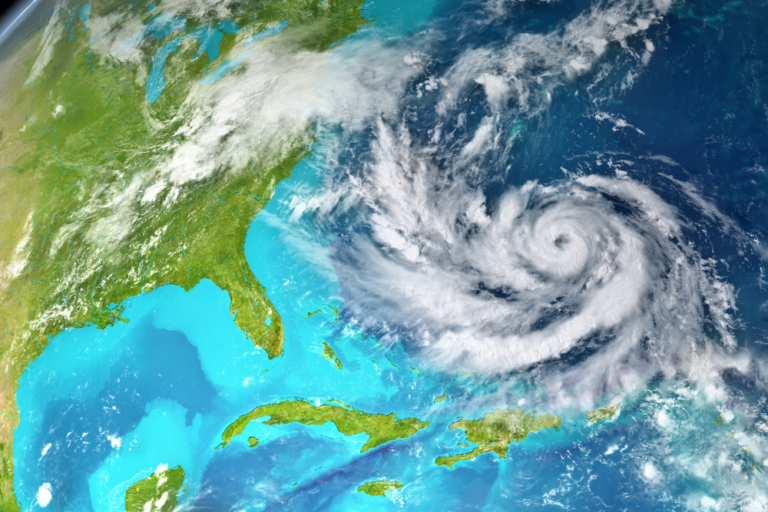
Florida’s subtropical climate makes it one of the most storm-prone states in the country. From hurricanes to sudden hailstorms, residents face a wide range of severe weather events every year. Understanding the different types of storms — and the Florida storm damage they can cause — is the first step toward protecting your home, your family, and your finances.
Hurricanes: Florida’s Biggest Threat
Hurricanes are the storms most closely associated with Florida, and for good reason. The state’s long coastline and warm surrounding waters create ideal conditions for tropical systems to form and intensify. Hurricane season runs from June 1 to November 30, with peak activity typically occurring in August and September.
Hurricanes bring a combination of destructive forces: sustained winds that can exceed 150 mph, torrential rainfall, and storm surge that pushes ocean water miles inland. This trifecta is responsible for the most severe Florida storm damage seen each year, including roof failures, flooded foundations, downed power lines, and structural collapse in the hardest-hit areas.
Tropical Storms
Not every system reaches hurricane strength, but tropical storms shouldn’t be underestimated. With sustained winds between 39 and 73 mph, tropical storms can still cause significant flooding, especially when they stall over an area and dump heavy rain for days. Slow-moving tropical storms have historically caused more flood-related damage in Florida than some hurricanes, simply due to prolonged rainfall totals.
Severe Thunderstorms and Hail
Florida sees more thunderstorms than almost any other state, thanks to its heat and humidity. Most are brief, but a subset turn severe, producing damaging straight-line winds, large hail, and dangerous lightning. Hail may seem like a minor concern compared to hurricanes, but it can shatter roof tiles, dent gutters, and crack window glass — damage that’s often overlooked until a leak appears months later.
Tornadoes
Tornadoes in Florida often form as a side effect of hurricanes and tropical storms, spinning up quickly with little warning as a system moves ashore. Florida also experiences standalone tornadoes during the winter and spring severe weather seasons. Even smaller tornadoes can rip off roofing material, snap trees onto homes, and send debris flying at damaging speeds.
Flooding: The Silent Damage Multiplier
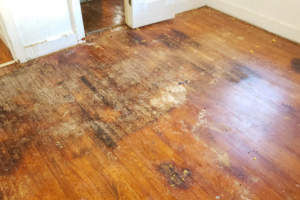
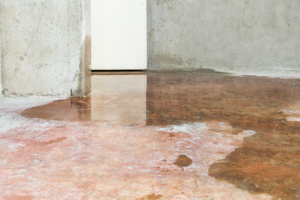
Whether caused by storm surge, heavy rainfall, or poor drainage, flooding is one of the most common and costly forms of Florida storm damage. Florida’s flat terrain and high water table mean that water often has nowhere to go, leading to standing water that can seep into homes and cause mold, warped flooring, and electrical hazards long after the storm has passed.
Why Understanding Storm Types Matters
Each storm type damages property differently, which means the right response and repair strategy varies too. Wind damage might mean a full roof inspection, while flood damage requires moisture remediation and mold prevention. Hail damage can be subtle, hiding beneath intact-looking shingles until a professional inspection reveals cracked or bruised material.
Knowing what kind of storm hit your property helps you:
- Identify the type of damage inspectors should look for
- File more accurate insurance claims
- Prioritize urgent repairs (like tarping a roof) versus long-term fixes
- Avoid overlooking hidden damage that worsens over time
Protecting Your Property Year-Round
Because Florida faces such a wide variety of storm threats, proactive maintenance is essential. Regular roof inspections, clear gutters, trimmed trees, and an updated insurance policy can all reduce the severity of storm damage when the next system arrives.
If your home has recently been affected by a hurricane, tropical storm, hailstorm, or flooding, don’t wait for small issues to become expensive repairs. Understanding the source of your Florida storm damage is the key to getting it fixed right — and getting your home back to normal as quickly as possible.
If you do experience any of these storms and suffer storm damage to your home or property, contact Florida Gulf Mitigation for professional mitigation services. Their experienced team can quickly assess the damage, prevent it from worsening, and guide you through the restoration process so your property is protected and your peace of mind is restored.


Give us a follow!